How to Verify a Message the Right Way
The first rule of verifying a suspicious message is to break the chain.
Breaking the chain means refusing to use any contact information provided inside the suspicious message.
Have you ever gotten an email that seems kind of fishy but also isn’t completely out of the realm of possibility?
We’re talking about unexpected requests for money, credentials or other sensitive information.
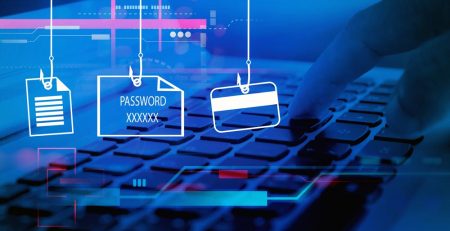
They’re believable enough to be real but could spell disaster for your organization if you click a malicious link or open an attachment containing malware.
There are many ways to verify a message safely, but common mistakes can make things worse. Here are some practical guidelines.
Verify Using a Known, Trusted Channel
Whenever you’re dealing with money or sensitive information, it’s important to verify the request is real through a known channel.
Here are three ways you can easily find the correct information:
- Go directly to the “Contact” page on a vendor’s website.
- If an email from your CFO requests a wire transfer, call them using the number already in your phone instead of the one found in the email.
- If you’re being asked to log in to a specific portal, navigate to that portal manually rather than clicking a link in an email.
Don’t rely on email addresses, phone numbers or links within the email itself. Attackers use fake addresses and phone numbers to redirect your messages to them rather than the actual contact.
Malicious links in emails can install malware on your computer or redirect you to fake websites designed to steal your credentials.
Attackers are getting better at disguising their phishing attacks, and technology alone can’t stop these scams; awareness is just as important. Verification fails when people panic or rush, and training reduces that risk.
Common Verification Mistakes
Despite finding that an email is unsafe, many people still verify it incorrectly.
You probably know not to interact with a phishing email, but you can take that even further:
- Don’t reply for any reason. Don’t ask, “Is this legit?” or fire back with a triumphant, “I know this is fake!”
- You can hover over email links (or long press them from your phone) to get the tooltip to pop up and preview the URL, but still DO NOT click. It’s a strong method for checking the safety of a link, but it’s also highly risky, as you might accidentally click it.
- Don’t forward the email to IT or someone else you trust “just to ask” or get a second opinion.
Verifying an unsafe email only gives the scam more opportunities to succeed.
Report Suspicious Emails
Always report suspicious emails to your IT team or managed service provider.
If you don’t have a reporting tool, take a screenshot of the email and send it to your IT team or MSP. Don’t forward the email, as that only gives the scammer another chance to succeed (you’re making copies of the dangerous link and spreading them out to more inboxes).
At Hungerford, we have a Phish Alert Button we ask our clients to use. It removes the email from the user’s inbox and automatically scans it to determine whether it’s legitimate. If the result is inconclusive, our security team can manually check the email.
Train Your Team to Spot Phishing Emails
Attackers are getting better at disguising their phishing attacks, and technology alone can’t stop these scams; awareness is just as important. Verification fails when people panic or rush, and training reduces that risk.
If you’re looking to protect your company from cybersecurity threats, contact us to learn how we can help train your employees to spot the telltale signs of a scam.
Stay updated! Get tips and insights delivered to your inbox weekly by subscribing to our newsletter.