Human Risk Management: Data-driven Training
When you hear the word “cybersecurity,” what comes to mind?
You’re probably thinking about security tools used to protect your networks and keep your sensitive data safe, right?
You’re not wrong. Unfortunately, 95% of cyberattacks in 2024 happened because of human error. So while it’s important to implement security tools — like firewalls, managed detection and response, and strict spam filters — the truth is most attacks happen because employees fall for phishing scams, mishandle sensitive data or unintentionally violate security policies.
The best way to combat this? Human risk management.
HRM uses data to identify and reduce risky employee behavior.
It’s a step beyond typical security awareness training, which tends to focus on education and awareness.
Let’s examine why human risk management is necessary and how it differs from traditional security awareness training.
What Makes HRM Better?
Social engineering is the easiest way to infiltrate a network because it exploits the human element of security and offers the path of least resistance.
It’s much easier to trick one person in the HR department than it is to get past spam filters, firewalls, strong passwords, multifactor authentication and other security tools.
The human risk component of HRM is the probability that an individual’s actions will lead to a security incident. Examples include:
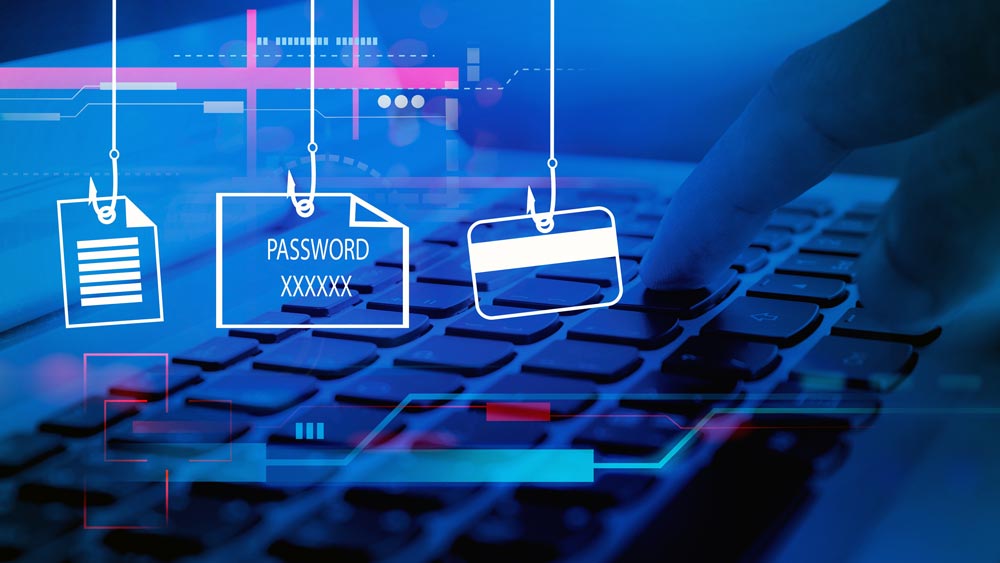
- Clicking a link or opening an attachment on a phishing email
- Reusing weak or compromised passwords
- Mishandling sensitive client data
Understanding the differences between traditional awareness training and HRM empowers you to make informed decisions about your organization’s security strategy.
And while anyone in an organization can be the victim of an attack, the risks vary across departments and individuals. For example, someone on the finance team might receive more fake invoices or direct deposit changes because they handle these types of emails.
How Does HRM Differ from Awareness Training?
Security awareness training is important, but some organizations treat it as a box you have to check to stay compliant. You watch some videos every quarter, take a quiz and you’ve done your required training.
However, this kind of training rarely leads to significant change, and your security team lacks insight into who is doing well, who’s struggling and what needs to be addressed.
HRM helps organizations learn not only what employees know, but also how they act in a given situation.
The HRM program consists of:
- Identifying risky employees using data from phishing simulations, policy violations, email behavior and more.
- Measuring employee behavior over time to see who is improving and who needs additional support.
- Organizing employees based on their role, risk level and learning needs and delivering personalized training appropriate for those categories.
- Tracking risk reduction numbers to show improvements in security posture.
HRM is a proactive approach that helps organizations identify risks early and address them before they become costly breaches.
Take Your Cybersecurity Approach to the Next Level
Understanding the differences between traditional awareness training and HRM empowers you to make informed decisions about your organization’s security strategy.
It’s important to stay curious, keep learning and seek out approaches that best support your team’s growth. Get in touch with us if you have questions or would like to learn more about HRM.
Stay updated! Get tips and insights delivered to your inbox weekly by subscribing to our newsletter.